Why Mobile Food Service Demands Hot Water Sinks And How to Deploy Complete Stations for Event Compliance
A cold-water tap doesn't cut it when a health inspector shows up at a food truck or catering setup. Most local codes require handwashing water to reach a minimum temperature, usually somewhere around 38°C, and mobile operators who skip this detail often find out the hard way - mid-event, with a shutdown notice in hand. That's exactly why a portablesink with hot water has become non-negotiable equipment for anyone running food service outside a fixed kitchen.
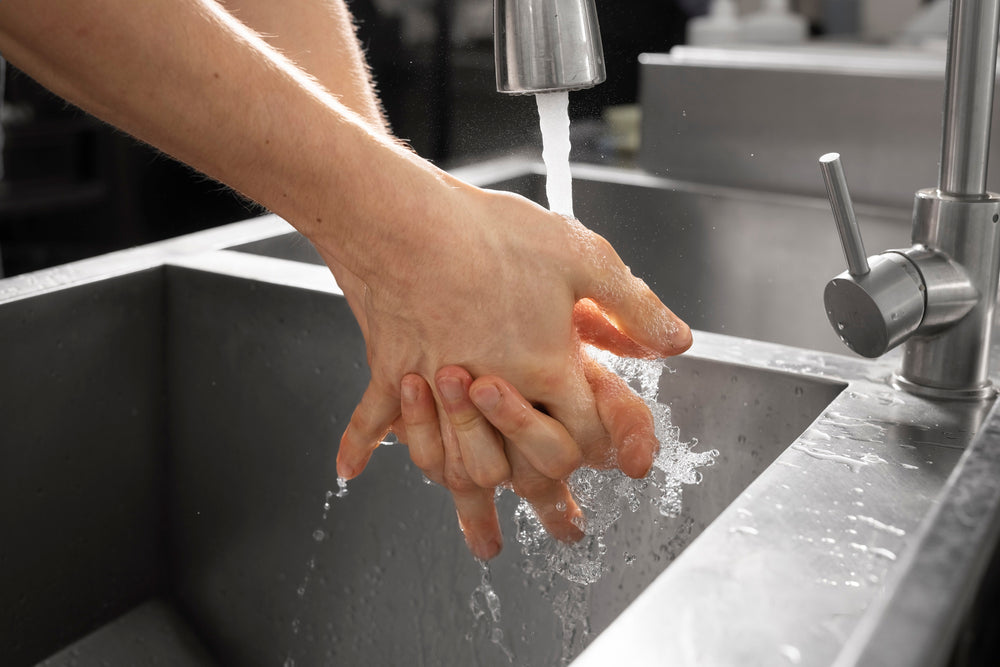
Why Cold Water Alone Doesn't Meet the Bar
Handwashing effectiveness drops sharply in cold water. Soap
doesn't lather the same way, staff spend less time at the sink because the
water is uncomfortable, and the whole point of the wash - actually removing
grease, raw meat residue, or allergens from hands - gets undermined. Inspectors
know this, which is why hot water access isn't treated as a nice-to-have on
their checklists. It's typically a hard requirement, and mobile units without
it get flagged immediately, regardless of how clean the rest of the setup
looks.
What Mobile Operators Are Actually Dealing With
Food trucks, market stalls, pop-up kitchens, and catering
vans all share the same core problem no
fixed plumbing, no mains hot water, and a health inspector who doesn't care
about that excuse. A few things tend to matter most when choosing equipment for
this environment:
- Self-heating
units that don't rely on external power or a hookup to a building's hot
water line
- Fresh
and waste water tanks sized to last a full event without needing a refill
mid-service
- Compact
footprints that fit inside a truck or trailer without eating into working
space
- Fast
heat-up times, since staff won't wait ten minutes for warm water during a
rush
Skipping any of these usually means the unit looks compliant
on paper but fails the moment it's actually used under pressure.
Building a Complete Catering Hand Wash Station
A hot water tank on its own isn't a compliant setup - it
needs to function as a full station. A proper catering hand wash station
typically pairs the heated water source with soap dispensing, paper towel
access, and a drainage system that doesn't leak or pool water underfoot during
service. Foot-pedal or knee-operated taps are worth prioritizing too, since
touch-free operation keeps hands from re-contaminating a tap that dozens of
staff members have already touched during a shift.
Deployment Details That Get Overlooked
Positioning the station matters as much as the equipment
itself. It needs to sit close enough to prep and serving areas that staff
actually use it between tasks, rather than skipping a wash because the unit is
inconveniently placed across the venue. Waste water disposal also needs
planning ahead of the event - most venues won't allow greywater to drain onto
the ground, so a self-contained tank with enough capacity for the full service
window is essential, not optional.
Getting It Right Before the Inspector Arrives
Compliance checks at events tend to happen with little
warning, and a unit that's out of hot water or improperly set up won't get a
second chance. Testing the station before service begins — checking water
temperature, dispenser stock, and drainage - takes a few minutes and avoids a
shutdown that costs far more than that in lost trade.
A properly specified portable sink with hot water,
paired into a complete hygiene setup, is what actually keeps mobile food
operations compliant and running smoothly through a full event, rather than
just looking the part until someone checks.
Lioninox supplies portable sinks with hot water and complete
hygiene stations for mobile food service and catering operations across the UK.
%20(1).jpg)

Comments
Post a Comment